 Follow on Google News
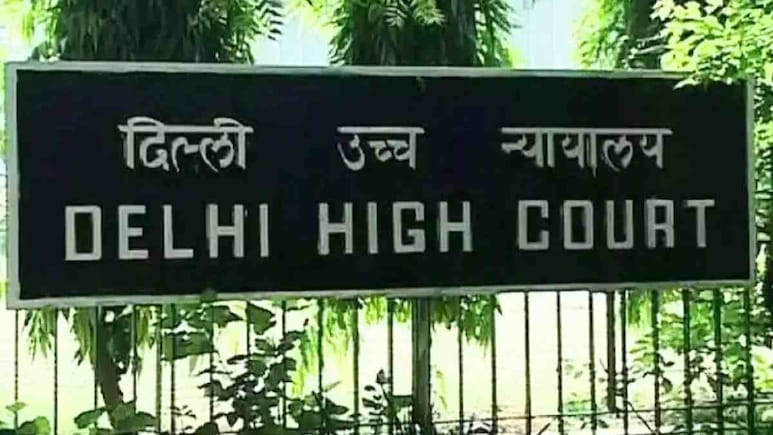
Delhi High Court Says Freedom to Choose Life Partner Is Fundamental to Personal Liberty
Freedom to choose a life partner is an intrinsic part of personal liberty and privacy under the Constitution and family or community cannot obstruct the choice of two consenting adults who decide to marry.
The high court, while referring to a Supreme Court judgment, said the top court has recognised that caste continues to exert a strong social influence in India and that inter-caste marriages perform a valuable constitutional and societal function by promoting integration and reducing caste divisions.
“Such unions, the Supreme Court has observed, are in the national interest and must receive firm protection from any familial or communal interference,” Justice Sanjeev Narula said in an order passed on November 4.
It further said the freedom to choose a life partner is an intrinsic part of personal liberty and privacy under Article 21 of the Constitution.
“Where two consenting adults decide to marry or cohabit, neither family nor community can lawfully obstruct that choice or subject them to pressure, social sanctions, or threats,” the high court said.
The court’s observations came while granting police protection to an intercaste couple, who were in a relationship for the past 11 years and intended to get married now.
However, the mother, sister, brother-in-law and other relatives of the partners opposed their relationship and were issuing threats, prompting them to approach the court for protection.
The couple sought directions to Delhi Police to secure their safety and to prevent interference with their decision to marry.
The counsel for the police said that a designated constable’s contact had already been shared with the couple, pursuant to an earlier complaint.
The court directed the station house officer of the jurisdictional police station to conduct a brief threat assessment of the couple forthwith.
Also Read: ISRO Collects Advanced Chandrayaan-2 Data To Study Moon’s Polar Regions
It added that based on its outcome, the officer must take preventive steps permissible in law, including but not limited to appropriate diary entries, beat patrolling near the couple’s current residence and other measures necessary to deter harassment or intimidation.
“If the petitioners report any threat or attempt at interference by respondent nos. 2 to 6 or any other person, the police shall register a DD entry, extend immediate protection, and proceed in accordance with law,” the court said.
It further said that these directions are preventive and protective in character and no opinion is expressed on the veracity of the allegations levelled against the respondent family members.
(Except for the headline, this story has not been edited by NDTV staff and is published from a syndicated feed.)

Latest Posts
- Kishtwar Rape Case; Accused Teacher Dismissed from Service
September 21, 2026 | Breaking News, Jammu Kashmir, Kishtwar - AI Ready School Launches National Research Programme to Measure AI’s Impact on Indian K–12 Education
September 21, 2026 | AI & ML, Breaking News, India, Press Release - MP’s Mandate Is to Be J&K’s Voice, Not Destabilise NC Govt: NC MLA Javed Beg on MP Aga Ruhullah
September 21, 2026 | Breaking News, Jammu Kashmir, Politics - Young Star Cricket Club Doda Announces Free Cricket Trials Across India
September 20, 2026 | Breaking News, Doda, Jammu Kashmir, Sports - Houthis Say Saudi Arabia Targeted Yemen With 26 Strikes In 24 Hours
September 19, 2026 | Breaking News, World - BREAKING: US Clears Multibillion-Dollar Air Defence Sale to Kyiv
September 19, 2026 | Breaking News, World - Fire Reported Near Riyadh Airport in Saudi Arabia Amid Yemen Fighting
September 19, 2026 | Breaking News, World - Leading British-Pakistani consultant Urologist Dr Muhammad Shabi Ahmed honoured for advancing urology and supporting disadvantaged patients in Pakistan
September 19, 2026 | Breaking News, World - Fincom raises $20m to make remittances faster and cheaper
September 19, 2026 | Business, World - Delhi Police Bust 3 Fake International Call Centres, 23 Arrested
September 18, 2026 | Breaking News, India, Politics