 Follow on Google News
“Civilians Targeted”: Kabul After Pakistan Says 70 Killed In Afghan Border Attack
Pakistan’s military has claimed that it has killed at least 70 terrorists in strikes along the border with Afghanistan over the weekend, targeting what it described as terror hideouts, which it blamed for recent attacks inside the country. The Taliban leadership in Kabul has, however, denied the claim.
Pakistan’s deputy interior minister, Talal Chaudhry, without offering any evidence, claimed in an interview with Geo News that at least 70 militants were killed in the strikes. Pakistan’s state-run media later reported that militant fatalities jumped to 80. No proof was provided to back the numbers.
Afghanistan’s Remarks
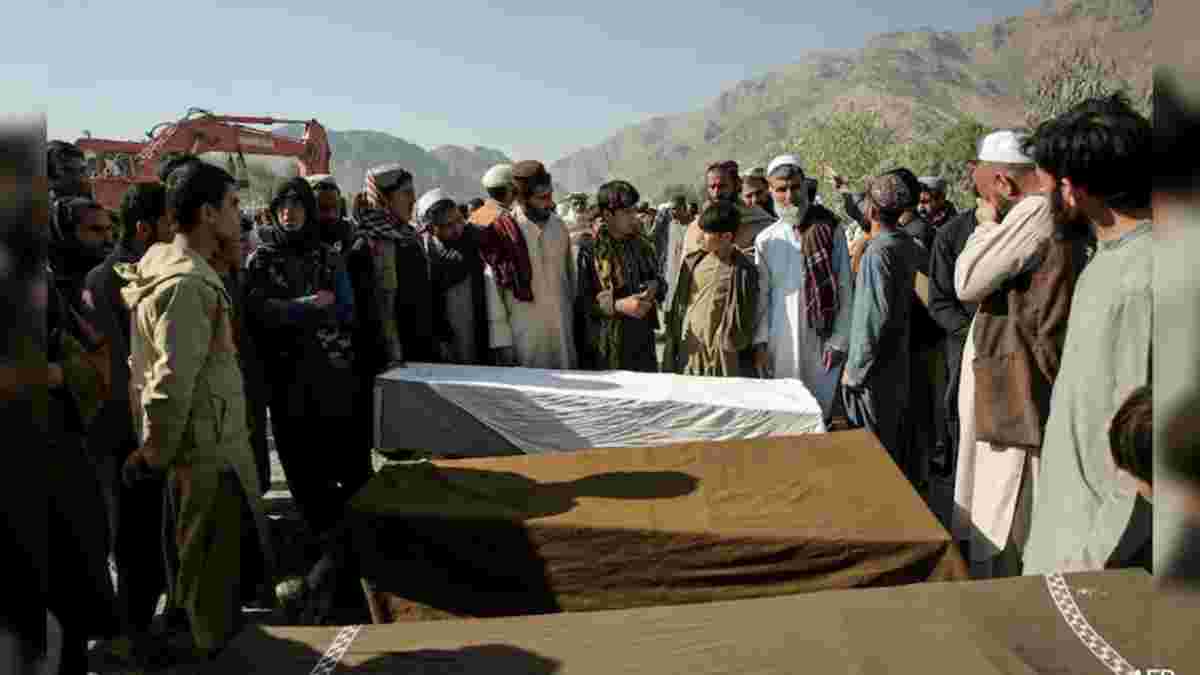
Afghan government spokesperson Zabihullah Mujahid claimed the Pakistani military carried out strikes inside Afghanistan. He wrote on X that strikes targeted civilians in Nangarhar and Paktika provinces, killing and wounding dozens of people, including women and children.
Mujahid stressed that Pakistan’s claim of killing 70 militants was “inaccurate”, adding that strikes were carried out to compensate for what he described as security weaknesses inside the country.
Why Pakistan Attacked Afghanistan ? Explaination
Afghanistan’s Defence Ministry also claimed that “various civilian areas” in the provinces of Nangarhar and Paktika in eastern Afghanistan were hit, including a religious madrassa and multiple homes. The statement called the strikes a violation of Afghanistan’s airspace and sovereignty.
Mawlawi Fazl Rahman Fayyaz, the provincial director of the Afghan Red Crescent Society in Nangarhar province, said 18 people were killed and several others wounded.
Afghanistan’s Ministry of Foreign Affairs also summoned Pakistan’s ambassador to Kabul to protest the Pakistani strikes. In a statement, the ministry said protecting Afghanistan’s territory is the Islamic Emirate’s “Sharia responsibility” and warned that Pakistan would be responsible for the consequences of such attacks.
Pakistan’s Stand
According to Pakistan’s Information Minister Attaullah Tarar, the military conducted what he described as “intelligence-based, selective operations” against seven camps belonging to the Pakistani Taliban and its affiliates along the Pakistan and Afghanistan border. Tarar claimed an affiliate of the Islamic State group was also targeted in the border region.
Tarar said Pakistan had “conclusive evidence” that the recent attacks, including a suicide bombing that targeted a Shiite mosque in Islamabad and killed 31 worshippers earlier this month, were carried out by militants acting on the “behest of their Afghanistan-based leadership and handlers”.
The minister claimed that Islamabad “has always strived to maintain peace and stability in the region” but added that the safety and security of Pakistani citizens remained a top priority.
Pakistan’s Struggle With Terrorism
In recent years, terrorist attacks have surged in Pakistan, much of it blamed on the Pakistani Taliban, also known as Tehrik-e-Taliban Pakistan (TTP), and outlawed Baloch separatist groups. The TTP is separate from but closely allied with Afghanistan’s Taliban. Islamabad accuses the TTP of operating from inside Afghanistan, a charge both the group and Kabul deny.
The strikes came hours after a suicide bomber targeted a security convoy in the border district of Bannu in Pakistan’s northwest, killing two soldiers, including a lieutenant colonel. Pakistan’s military warned after the attack that it would not “exercise any restraint” and that operations against those responsible would press on.
Another suicide bomber, backed by gunmen, rammed an explosives-laden vehicle last week into the wall of a security post in Bajaur district in northwestern Khyber Pakhtunkhwa province, which borders Afghanistan, killing 11 soldiers and a child. Pakistani authorities later said the attacker was an Afghan national.
In October 2025, Pakistan conducted strikes deep inside Afghanistan to target what it called militant hideouts. At that time, the Taliban had said civilians were killed in the Pakistani operation. Qatar mediated a truce between Islamabad and Kabul later, which largely held, but several rounds of talks in Istanbul in November failed to produce a formal agreement, and relations remain strained.

Latest Posts
- France Drops US Spy Software Palantir; To Reply on Homegrown AI For Its Spy Agency
June 17, 2026 | Breaking News, Technology, World - Analyst & International Mediator Faisal Muhammad Claims Trump Expressed Support for India During Meeting With PM Modi
June 17, 2026 | Breaking News, India, Politics, World - Starbucks South Korea Shuts 2,000 Stores After Marketing Campaign Sparks Outrage
June 17, 2026 | Breaking News, World - Amarnath Yatra; High Level Delegation From MHA to Visit Jammu Kashmir
June 17, 2026 | Breaking News, India - Cyviation, Cargo Facts, and Royal Media Present Cyber Aviation Global Forum: Building Cyber Resilience Across the Aviation Ecosystem
June 16, 2026 | Press Release, World - Richmond Flying Squirrels Raise the Bar for Live Baseball Production with Grass Valley
June 16, 2026 | Press Release, World - Swedfund invests USD 15 million to expand access to capital for MSMEs in Sri Lanka
June 16, 2026 | Press Release, World - Bangladesh Summons Indian Envoy Following Screening of PM Adviser Zahed ur Rahman; India Yet to Respond
June 16, 2026 | Breaking News, India, Politics, World - India–Mongolia Friendship Tree Planted at Lok Niwas in Ladakh, LG Vinai Kumar Saxena Calls it a “Symbol of Friendship”
June 16, 2026 | Breaking News, India - After Australia, Now UK PM Keir Starmer Likely To Announce Social Media Ban for Under-16s
June 16, 2026 | Breaking News, Social Media, World