 Follow on Google News
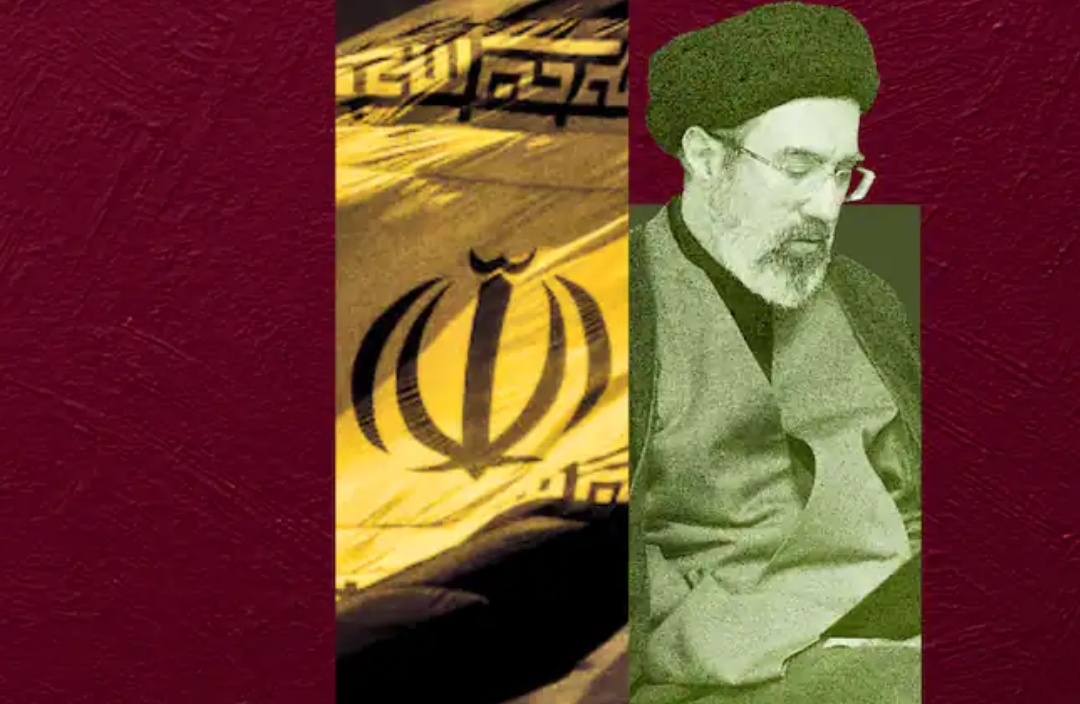
Mojtaba Khamenei Takes Over as Iran’s Supreme Leader, But Power Now Shared Among Powerful Institutions
Following the reported death of Ali Khamenei, Iran’s political system has entered a new phase with his son Mojtaba Khamenei emerging as the country’s new Supreme Leader. However, analysts say the structure of power in Iran has already evolved beyond the authority of a single individual.
For decades, the Supreme Leader held overwhelming control over political, military, and religious affairs. But in recent years, decision-making has increasingly shifted toward a network of influential institutions and elites rather than remaining concentrated in one office.
Power Shifting Toward Institutional Networks
Experts say several powerful groups now shape Iran’s strategic decisions, including:
- Islamic Revolutionary Guard Corps (IRGC), which commands significant military strength
- The intelligence and security establishment overseeing internal surveillance and counter-intelligence
- Economic elites connected to state-linked business networks
These groups together form a powerful system that influences policy, especially during times of crisis.
War Accelerates Institutional Control
The ongoing regional conflict involving Iran, Israel, and the United States has accelerated this shift.
In wartime situations, analysts note that institutions controlling military force, intelligence, and operational coordination naturally gain greater influence. As a result, Iran’s governance is increasingly described as a “security-driven bureaucracy” rather than a system dominated purely by the personal authority of the Supreme Leader.
The Velayat-e Faqih System Evolves
Iran’s political structure is based on the doctrine of Velayat-e Faqih, or “Guardianship of the Islamic Jurist,” which grants ultimate authority to a religious leader.
However, researchers say the system has gradually adapted, with power exercised through interconnected institutions even while the Supreme Leader remains the symbolic and constitutional apex of authority.
Political analyst Babak Vahdad noted that Iran had already been moving toward a collective leadership model before the leadership transition.
According to him, the death of Khamenei during wartime has only accelerated the process, strengthening the influence of organizations that control weapons, intelligence, and crisis management.
US Reaction to the Leadership Change
The leadership transition has drawn criticism from Donald Trump, who said the appointment of Mojtaba Khamenei would be “unacceptable” and warned it could prolong tensions with the United States.
Trump argued that installing a leader who continues the policies of his father could risk renewed confrontation between Washington and Tehran in the coming years.
Assembly of Experts Selects New Leader
Iran’s powerful clerical body, the Assembly of Experts, formally chose Mojtaba Khamenei as the new Supreme Leader.
Despite being considered a mid-ranking cleric, Mojtaba is believed to wield significant influence within Iran’s security establishment and economic networks that developed during his father’s decades in power.
Symbolic Authority vs Practical Power
While the office of Supreme Leader remains central to Iran’s political legitimacy, analysts suggest that practical governance is increasingly carried out by a network of military, intelligence, and political institutions.
As the regional war continues, Iran’s leadership structure may operate less like a single-leader system and more like a coordinated alliance of powerful state actors working to ensure the survival of the Islamic Republic.

Latest Posts
- Pull Doda Bridge Declared Safe for Traffic, Subject to Continuous Monitoring: DIQC Report
July 29, 2026 | Breaking News, Doda, Jammu Kashmir - Unilever agrees two-year worker protection after $65 billion McCormick merger, memo shows
July 29, 2026 | Breaking News, Business, Stock Market - Adani Enterprises Posts Quarterly Loss After One-Time OFAC Settlement Charge
July 29, 2026 | Breaking News, Business, India - Asian Paints Beats Q1 Estimates
July 29, 2026 | Breaking News, Business, Stock Market - Former PM Sheikh Hasina Vows Return to Bangladesh by December Despite Arrest, Death Fears
July 29, 2026 | Breaking News, Politics, World - Russia Charges Telegram Founder Pavel Durov With ‘Aiding Terrorism’, Puts Him on Wanted List
July 29, 2026 | Breaking News, Politics, World - US, Saudi Forces Strike Iran-Backed Militias in Iraq as Regional Tensions Escalate
July 29, 2026 | Breaking News, Politics, World - India Condemns Attacks on Ships in Strait of Hormuz at UN Security Council; Calls for Immediate De-escalation
July 29, 2026 | Breaking News, Politics, World - No Evidence of Active Cyberattack on DRDO , Defence Ministry Refutes Reports
July 29, 2026 | Breaking News, Cybersecurity, India - CBI Files Chargesheet Against 13 Accused in NEET-UG 2026 Paper Leak Case
July 29, 2026 | Breaking News, India, Politics