
 Follow on Google News
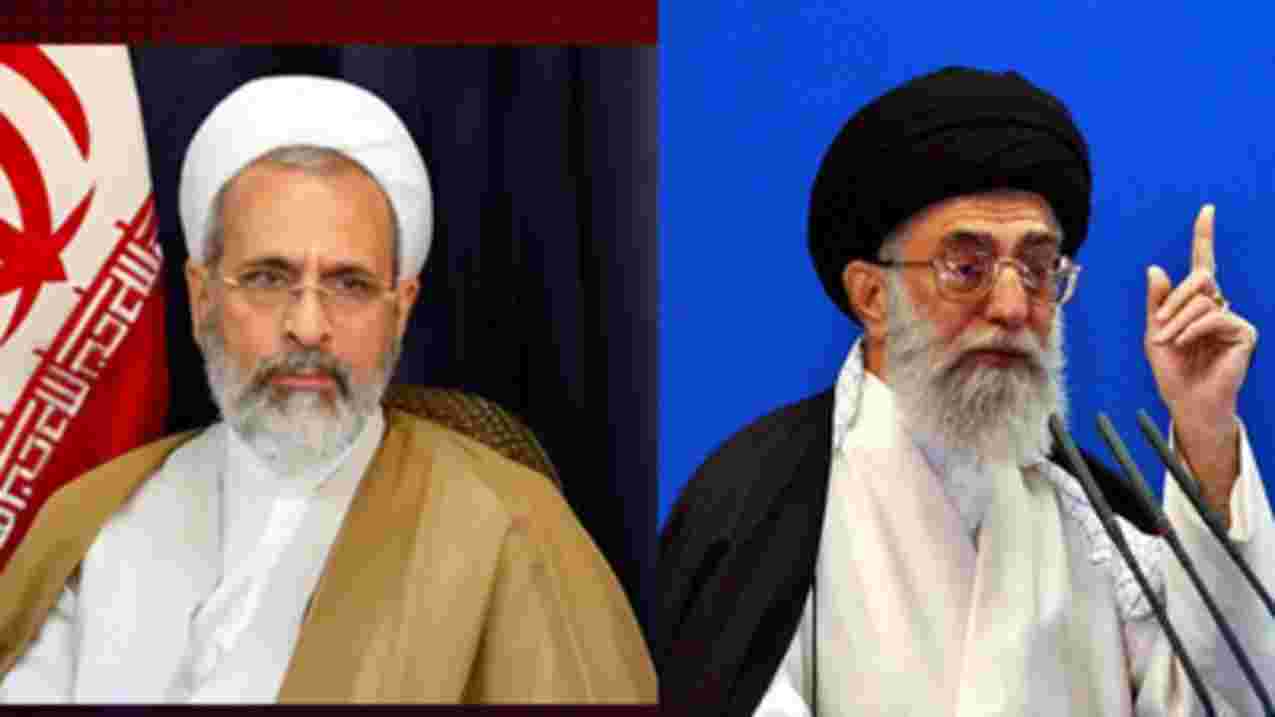
Ayatollah Alireza Arafi – The Interim Supreme Leader | Will He Carve Out Iran from Sensitive Phase After the Death of Ali Khamenei
Iran has appointed Alireza Arafi as its interim Supreme Leader, marking a pivotal step in the country’s leadership transition following the death of Ali Khamenei in joint US–Israeli airstrikes on Tehran early Saturday.
Arafi, a senior cleric deeply embedded in Iran’s religious and political establishment, now faces the task of steering the Islamic Republic through heightened regional tensions and domestic uncertainty. His elevation represents only the second leadership transition since the 1979 Islamic Revolution.
Arafi’s Rise Within Iran’s Clerical Establishment
Born in 1959 in Meybod in Yazd province, Arafi comes from a clerical family and was educated in Qom, Iran’s principal seminary hub. He studied under prominent scholars and attained the rank of mujtahid, authorising him to issue independent Islamic legal rulings.
Watch our live coverage ….. Here
His prominence grew under Khamenei, who appointed him to key roles including Friday prayer leader in Meybod and later in Qom — positions seen as markers of institutional trust. Arafi also headed Al-Mustafa International University, which trains clerics from Iran and abroad, and in 2019 was appointed to the influential Guardian Council, responsible for vetting legislation and electoral candidates.
Under Iran’s Constitution, the Supreme Leader is selected by the Assembly of Experts, an elected panel of Islamic scholars. Following Khamenei’s death, authorities are expected to establish an interim leadership mechanism until a permanent successor is formally chosen. Arafi’s positions within both the Guardian Council and Assembly of Experts reportedly strengthened his institutional standing during the succession process.
A Crucial Transition For The Islamic Republic
Khamenei, who succeeded Ruhollah Khomeini in 1989, led Iran for nearly 37 years, shaping its domestic and foreign policy with a firm anti-Western stance. His death has triggered nationwide mourning and renewed debate over Iran’s future direction.
Arafi has previously emphasised the political role of seminaries, calling for a revolutionary and internationally engaged interpretation of Shi’a Islam. Observers note that while he holds strong establishment credentials, he lacks an independent political base outside Iran’s clerical institutions — a factor that may influence his leadership style during a period marked by external conflict and internal transition.
As Iran navigates this sensitive phase, global attention will focus on how Arafi balances religious authority, geopolitical pressures and domestic stability in the months ahead.

Latest Posts
- Iran Claims Missile Strike On USS Abraham Lincoln As Leadership Transition Unfolds
March 1, 2026 | Breaking News, Politics, World - Saudi Prince Mohammed bin Salman Made Multiple Private Calls to Trump Urging Strike on Iran: Washington Report
March 1, 2026 | Breaking News, Politics, World - United Kingdom Maritime Trade Operations (UKMTO) Warns of ‘Significant Military Activity’ Around Strait of Hormuz
March 1, 2026 | Breaking News, Politics, World - Islamic Revolutionary Guard Corps IRGC Vows Relentless Offensive Until ‘Enemy Is Decisively Defeated’
February 28, 2026 | Breaking News, Politics, World - Middle East Tensions Escalate as Iran, Israel, US Exchange Strikes; Gulf States on High Alert
February 28, 2026 | Breaking News, Politics, World - Iran-US War Escalates LIVE Updates: Iran Condemns Cites Right to Self-Defence Under UN Charter
February 28, 2026 | Live Updates, Politics, World - US-Iran War: US Launches Major Combat Operations in Iran as Israel Strikes Tehran, Hips Off Escalation
February 28, 2026 | Breaking News, Politics, World - Arvind Kejriwal and Manish Sisodia Discharged In Liquor Policy Case
February 28, 2026 | Breaking News, India, Politics - Gauhati High Court Issues Notice To Himanta Sarma Over Alleged Hate Speech
February 27, 2026 | Breaking News, India, Politics - Apple Inc. In Talks To Launch Apple Pay In India
February 26, 2026 | Breaking News, Business, World