 Follow on Google News
Nepal Bans 26 Social Media Platforms; “Gen Z Revolution” Protests Leave 14 Dead, 100 Injured
Nepal has plunged into turmoil after the government banned 26 social media and communication platforms on September 4, citing failure to comply with new registration requirements under its social media regulations.
The sweeping ban covers major global platforms, including Facebook, Instagram, WhatsApp, YouTube, X (Twitter), LinkedIn, Snapchat, and Reddit, along with messaging apps like Signal, WeChat, Line, IMO, and Zalo, and even local favorite Hamro Patro. Authorities argue the move is necessary to curb misinformation and protect national sovereignty.
Protests Escalate Into Violence
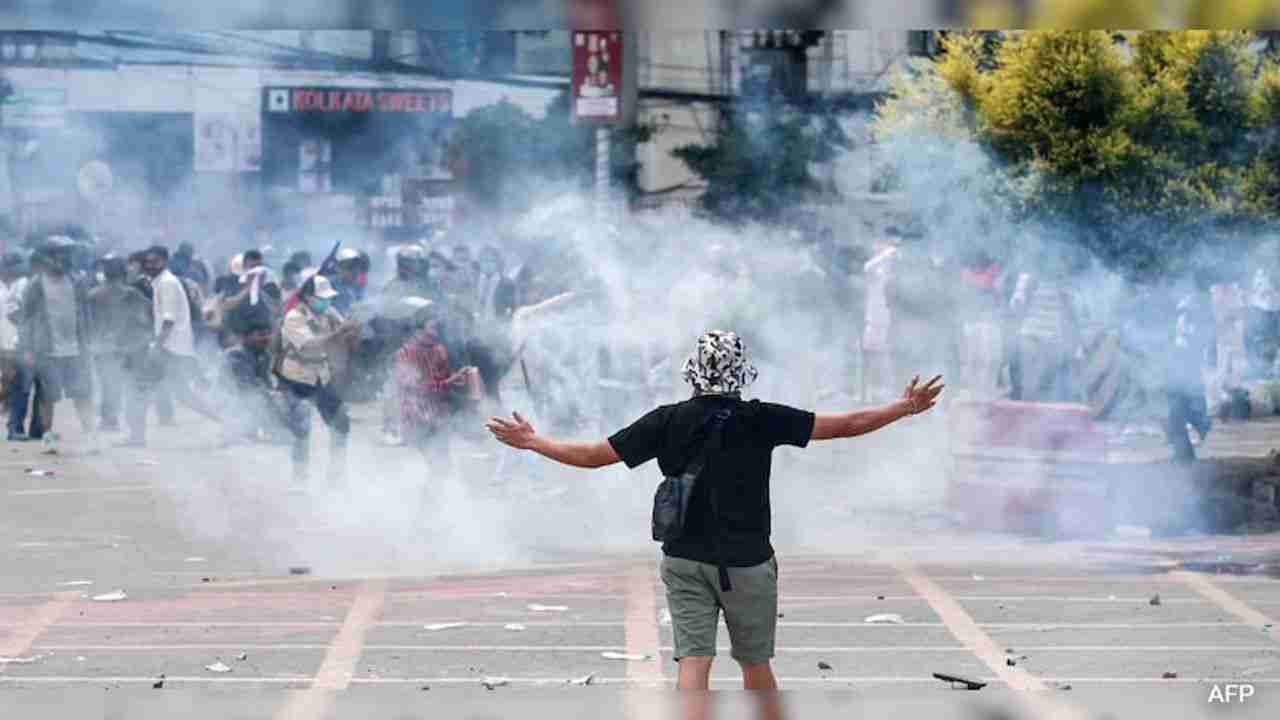
The ban sparked widespread outrage, particularly among Nepal’s youth. On Monday, thousands of students and young demonstrators, many in school uniforms, marched toward Parliament in Kathmandu under what has been dubbed the “Gen Z Revolution.”
Protests quickly turned violent as security forces clashed with demonstrators. Police fired tear gas, rubber bullets, and live ammunition to disperse crowds. According to reports, 14 people were killed and over 100 injured. In response, authorities imposed strict curfews in central Kathmandu, including around Singha Durbar, the seat of government.
Demands Go Beyond the Ban
While the immediate trigger was the ban on digital platforms, protestors are also targeting government corruption, shrinking democratic space, and restrictions on press freedom. For many young Nepalis, the blackout represents not only the loss of communication tools but also a deeper erosion of civic rights.
Government’s Stance
Prime Minister KP Sharma Oli defended the decision, framing it as a matter of sovereignty.
“The independence of the nation is greater than the loss of jobs of a handful of individuals. How can it be acceptable to defy the law, disregard the constitution, and disrespect national dignity, independence, and sovereignty?” Oli said, as quoted by The Guardian.
He maintained that the regulations are aimed at preventing misinformation and ensuring accountability of tech companies operating in Nepal.
Uncertain Road Ahead
Despite the crackdown, the protests show no sign of slowing. With communication platforms banned, activists are relying on VPNs, offline networks, and word-of-mouth to mobilize. Observers warn that the government’s hardline approach could deepen political instability at a time when Nepal is already grappling with economic challenges.

Latest Posts
- 400 Killed in Pakistan Airstrike on Kabul Hospital, Deadliest Attack in Afghanistan’s History
March 17, 2026 | Breaking News, World - Over 220 passengers rescued after snow traps 31 vehicles at Sinthan Top in Jammu Kashmir
March 16, 2026 | Breaking News, Jammu Kashmir - Ladakh Admin Invites Public Comments on Draft Amendment to Ladakh Accounts Subordinate Service Recruitment Rules 2021
March 16, 2026 | Breaking News, Ladakh (Union Territory) - Social activist Arshad Ayoub Urges Release of Pending MGNREGA Wages in Doda Before Eid
March 16, 2026 | Breaking News, Doda, Jammu Kashmir - Donald Trump May Send Troops To Capture Crown Jewel Of Iran
March 16, 2026 | Breaking News, Politics, World - Doda Police Seize Six Dumpers for Illegal Mining, ₹1.31 Lakh Fine Imposed
March 16, 2026 | Doda, Jammu Kashmir - Landslide Strikes Project Vehicle at Dangdoru in Kishtwar; One Dead
March 16, 2026 | Breaking News, Jammu Kashmir, Kishtwar - Dubai gold man Anil Dhanak calls Amitabh Bachchan the greatest movie star
March 15, 2026 | Entertainment, World - Sunil Dimple Welcomes Supreme Court Verdict on SRO-384, Demands Regularisation of Employees in Jammu Kashmir
March 15, 2026 | Jammu Kashmir, Politics - North Korea Tests Nuclear-Capable Rocket Launchers as Kim Jong Un Attends With Daughter
March 15, 2026 | Breaking News, Politics, World