 Follow on Google News
Iran’s Regional Attacks – A Broader Strategy Designed To Expand Pressure On The Global Stage, Beyond the Battlefield
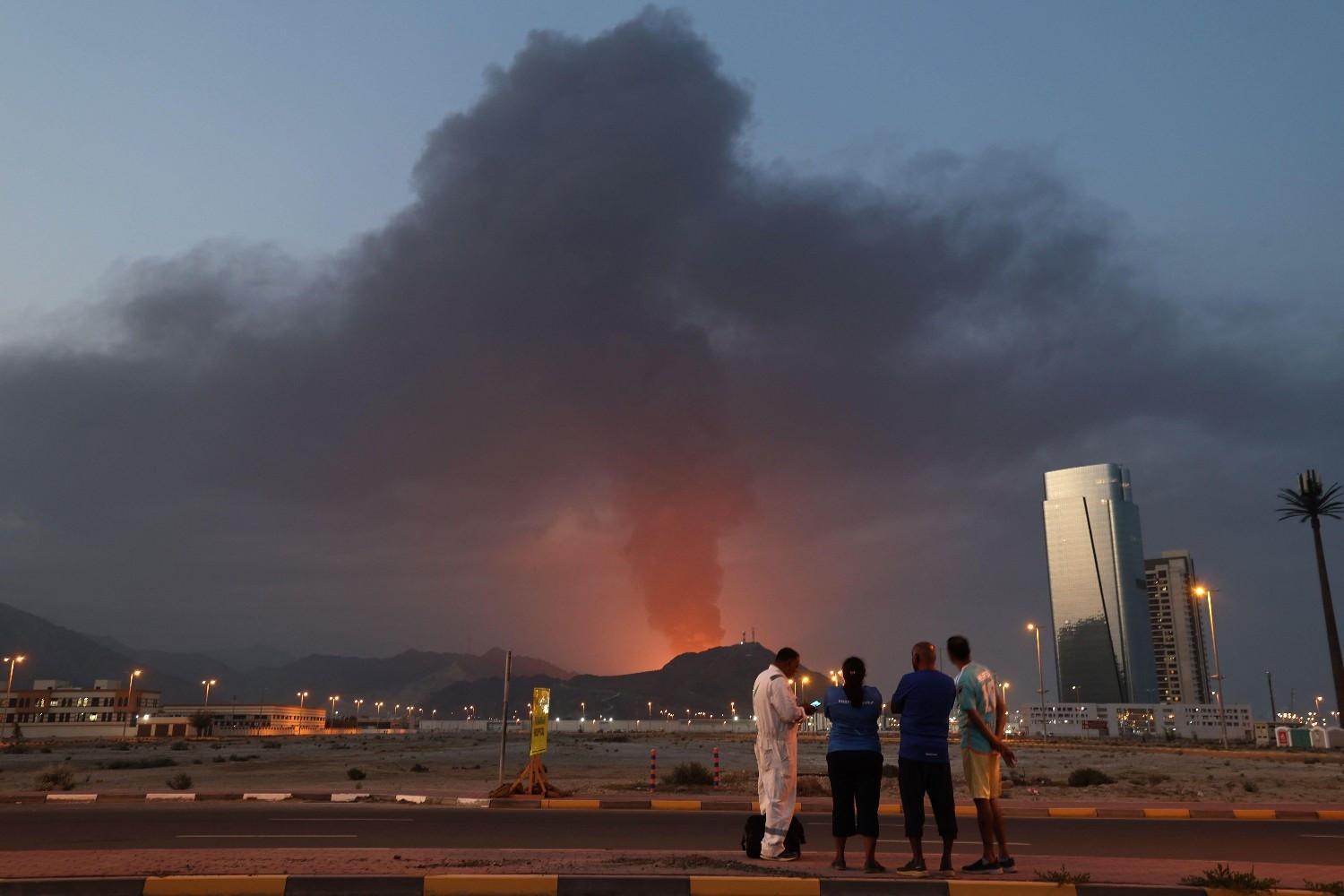
Amid ongoing strikes and rising tensions in the Middle East, analysts say Iran’s recent attacks are not limited to U.S. military bases—they are part of a broader strategy designed to expand pressure on the global stage.
Military experts emphasize that Iran cannot militarily defeat the United States or Israel in a conventional war. Superior weaponry, advanced intelligence capabilities, and international alliances leave Tehran at a disadvantage on the battlefield. Instead, Iran appears to be targeting economic chokepoints and energy routes, seeking to leverage global interdependence to its advantage.
Widening the Battlefield
The Strait of Hormuz, through which roughly 20 percent of the world’s oil passes, is a key target. For energy-dependent countries such as India, which imports over 60 percent of its energy from the Gulf and receives around 2.5–2.7 million barrels per day through the corridor, disruptions have immediate economic consequences.
Rising oil prices, longer shipping routes, and higher insurance premiums could slow trade, increase domestic costs, and create political pressure in capitals far beyond Tehran. Analysts say this is precisely the point: economic disruptions in Dubai, Doha, New Delhi, and Europe can force indirect diplomatic leverage over the United States and Israel.
“By expanding the impact of the conflict to the global economy, Iran forces international actors to pay attention,” said a regional security expert. “This isn’t just retaliation—it’s strategic pressure.”
The Challenge of Regime Change
Beyond immediate military operations, the longer-term goal may involve altering Iran’s internal political dynamics. Experts note that removing leadership does not automatically produce stability. Without a clear, trusted successor, power vacuums could fuel chaos rather than control. Loyalty among the military, the Revolutionary Guard, religious authorities, and the general population is fragmented, leaving succession uncertain.
Analysts caution that while U.S. military operations could destroy critical Iranian infrastructure in weeks, achieving political objectives—especially regime change—is far more complex. Success depends on governance, legitimacy, and control over key institutions, none of which can be secured by airstrikes alone.
Economic Leverage as Strategy
Iran’s strategy, according to analysts, is simple but effective: make the costs of conflict broad enough to generate international pressure for pause or negotiation. Disruptions to oil flows, energy prices, and trade routes extend the battlefield beyond borders and into global markets, buying Tehran strategic breathing room while complicating any plans for rapid regime change.
“The goal isn’t victory on the battlefield,” one analyst said. “It’s leverage. Widen the impact so the world intervenes, and the timelines for political objectives become far more complicated.”
As the war continues, countries heavily reliant on Middle Eastern energy, global markets, and regional trade are already feeling the ripple effects—showing that in modern conflicts, the battlefield extends far beyond borders

Latest Posts
- Following The Assassination Of Ayatollah Ali Khamenei, Mojtaba Khamenei Elected As New Supreme Leader of Iran
March 4, 2026 | Featured by VoM, Politics, World - US Has Bombed at Least 10 Countries Since 9/11 — And the Count Keeps Growing in 2026
March 4, 2026 | Featured by VoM, Politics, World - LIVE Updates: Russia and China Condemn US‑Israeli Attacks on Iran, Call for Ceasefire
March 4, 2026 | Live Updates, Politics, World - No Trade With Spain says, US President Donald Trump, After Spain Restricted Military Bases
March 4, 2026 | Breaking News, Politics, World - UN Nuclear Chief Rafael Grossi Says No Evidence of Coordinated Iranian Weapons Program
March 3, 2026 | Breaking News, Politics, World - At Least 40 Killed, 246 Wounded in Lebanon Amid Escalating Israel-US Attacks on Iran
March 3, 2026 | Breaking News, Politics, World - Iran’s President Masoud Pezeshkian Says Government Still Functioning, Trump Rules Out Talks and Oman Reports Drone Strikes
March 3, 2026 | Breaking News, Politics, World - Kashmir Valley Under Communication Curbs Following Death of Iran’s Supreme Leader
March 3, 2026 | Breaking News, Jammu Kashmir - 780 Killed In Iran Since US-Israel Strikes Began Says Iranian Red Crescent
March 3, 2026 | Breaking News, Politics, World - LIVE Updates: Israel-Iran Conflict Escalates Across the Middle East
March 3, 2026 | Live Updates, Politics, World